
Dermal Biomarker Patch
Simple, rapid, and painless extraction of biomarkers from skin cells
A pharma-ready, minimally invasive route to skin molecular biology.
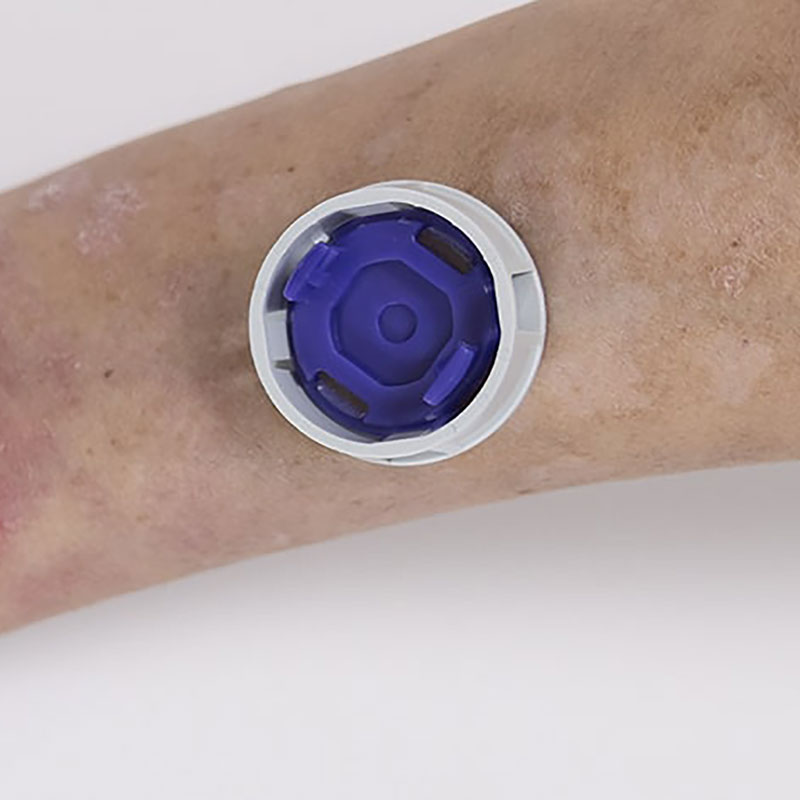
Mindera Health developed a proprietary platform that enables simple, rapid, and painless extraction of RNA from skin using a dermal biomarker patch. The extracted RNA can be sequenced to generate a transcriptomic snapshot of the skin at the moment of sampling—supporting translational studies and drug-development decisions.
What it collects:
- RNA-first molecular readout suitable for transcriptomic profiling.
- Additional biomarker classes include DNA, protein, and small molecules depending on workflow (in development).
- Lesional or non-lesional sampling to compare diseased vs. baseline states.
Competitive Advantage
Example Indications
Non-invasive skin sampling opens the door to a range of potential insights into various dermatological conditions. This innovative approach is particularly valuable for assessing diseases such as atopic dermatitis, psoriasis, and melanoma, enabling researchers and clinicians to gather critical data while minimizing discomfort for patients. By analyzing skin samples, we gain a deeper understanding of underlying biological mechanisms, paving the way for more effective treatments and personalized care. Programs using non-invasive skin sampling commonly include (biomarker sampling and analytics workflows):
Actinic Keratoses
Atopic Dermatitis
Basal Cell Carcinoma
Lymphoma
GVHD
Hidradenitis Suppurativa
Melanoma
Lupus
Psoriasis
T-cell Lymphoma
Vitiligo
Squamous Cell Carcinoma
Why It Matters
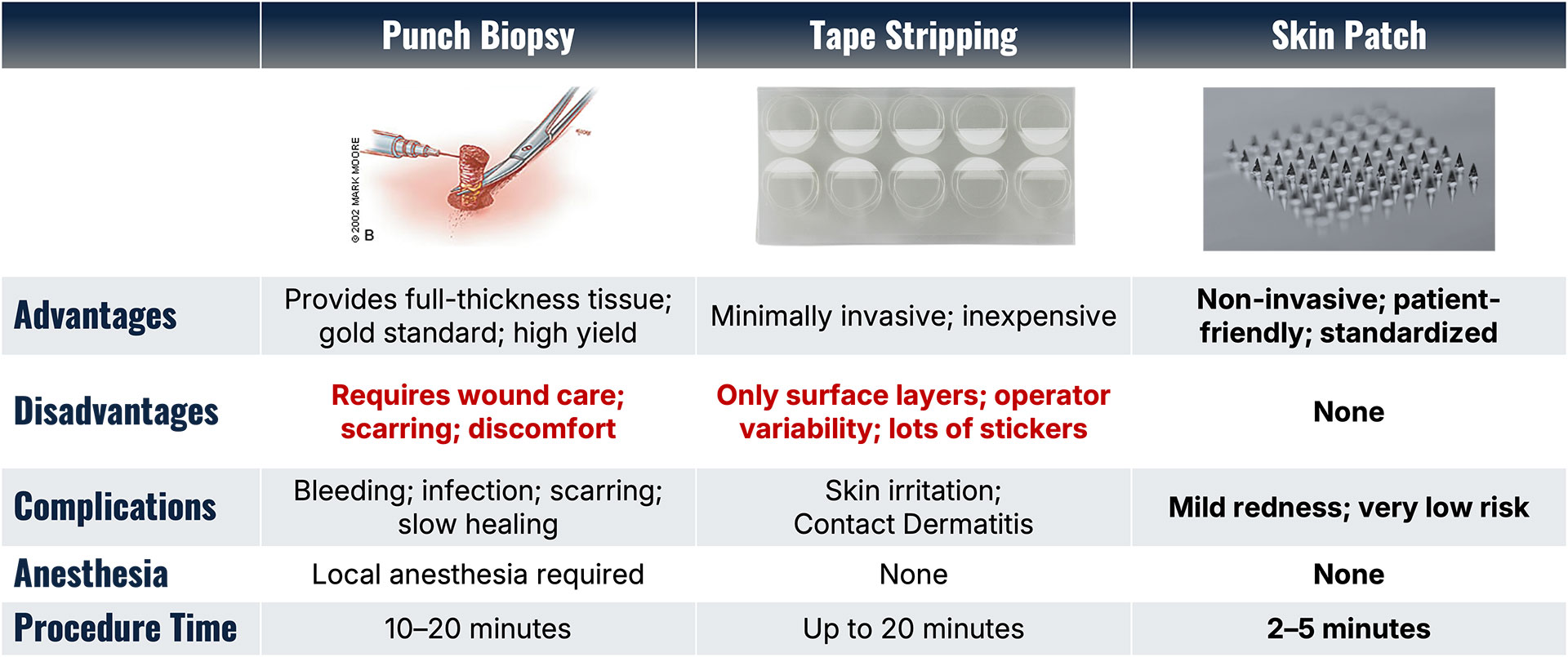
Skin disease evaluation often relies on subjective visual assessment, and traditional biopsies can be invasive and not justified for some inflammatory indications. A patch-based approach aims to improve access to molecular signals with a patient-friendly procedure.
Example Workflow (High Level)
Exact protocols vary by study design and assay requirements. Always follow validated procedures.
1
2
Extract biomarkers